Video Content Production – Powering Modern Communication for Brands
Introduction
In today’s digital-first world, video content production has become essential for businesses of all sizes. From social media clips and commercials to corporate films and educational content, videos help brands communicate more clearly, attract audiences, and build stronger online visibility. With consumer attention shifting rapidly, high-quality video content is no longer optional—it’s a core marketing tool that drives engagement, trust, and conversions.
What Is Video Content Production?
Video content production is the complete process of planning, filming, editing and delivering video material for marketing, training, advertising or entertainment.
Main stages include:
Pre-production (planning and scripting)
Production (filming)
Post-production (editing and refining)
This multi-step workflow ensures the final video aligns with brand goals and delivers value to the audience.
Why Video Content Production Matters
1. Higher Engagement Rates
Videos capture attention more effectively than text or images. They communicate messages quickly and visually, increasing viewer retention.
2. Boosts Online Visibility
Search engines favour video content. Websites that use videos often experience better rankings, higher click-through rates and longer user engagement.
3. Ideal for Storytelling
Brands can communicate emotions, values and product benefits more persuasively through motion and sound.
4. Multi-Platform Use
Video content can be shared on:
Social media
Websites
TV
Email marketing
Digital ads
Internal company platforms
The Video Content Production Process
1. Pre-Production Planning
This sets the foundation for the entire project.
Key tasks include:
Identifying the target audience
Defining the purpose of the video
Scriptwriting
Storyboarding
Budgeting
Scheduling
Location scouting
A clear pre-production plan ensures smooth filming and accurate messaging.
2. Production (Filming the Video)
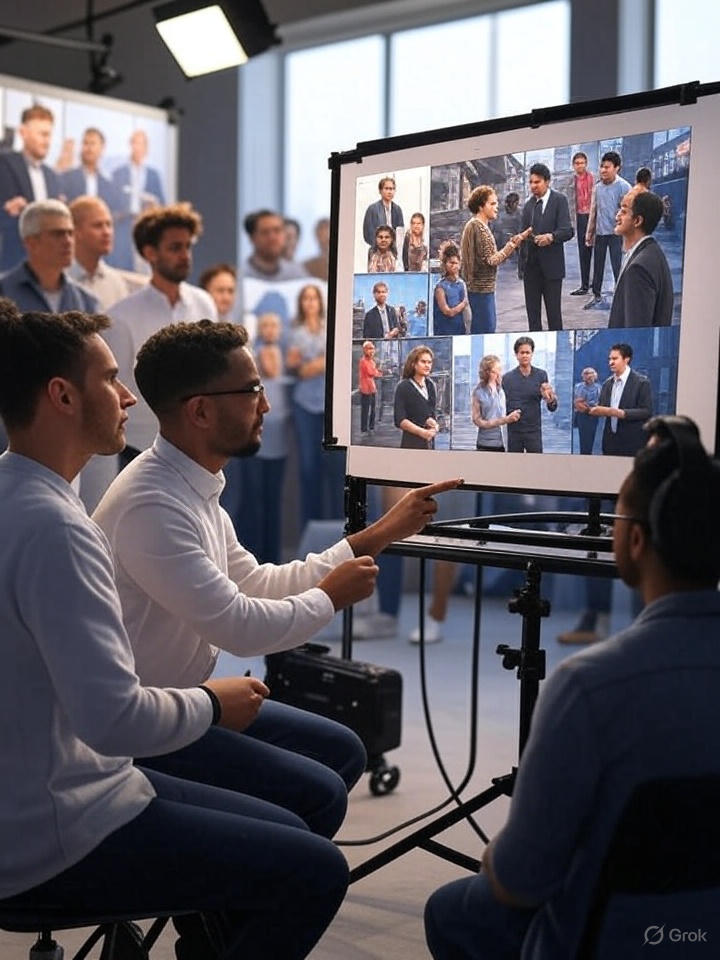
This stage involves capturing footage according to the storyboard.
Production activities include:
Setting up cameras, lighting and sound
Directing actors or presenters
Recording interviews
Capturing B-roll (extra footage for storytelling)
A skilled crew ensures every shot has clarity, colour accuracy and strong composition.
3. Post-Production (Editing and Delivery)
This is where the raw footage becomes a polished, engaging final product.
Tasks include:
Video editing
Colour correction
Adding sound effects and music
Including text, graphics or animations
Adjusting pacing and transitions
Exporting in required formats
Post-production gives the video its final look and emotional impact.
Types of Video Content Businesses Need
Marketing and Promotional Videos
Used to showcase new products, services or campaigns.
Corporate Videos
Include company overviews, culture films and recruitment videos.
Social Media Content
Short, engaging clips for platforms like Instagram, TikTok and Facebook.
Explainer Videos
Animated or live-action videos that simplify complex services.
Event Videos
Highlight key moments from conferences, award nights or product launches.
Training and Educational Videos
Improve internal communication and employee learning.
Benefits of Professional Video Content Production
Stronger brand identity through consistent visuals and messaging
Higher engagement across social platforms
Better customer understanding of products and services
Increased conversions due to persuasive storytelling
Reusability across multiple marketing channels
Higher professionalism and credibility
Tips for Creating Effective Video Content
Keep messages short and focused
Use strong storytelling and visuals
Maintain high-quality sound and lighting
Align video style with brand tone
Optimise formats for different platforms
Add captions for accessibility
Conclusion
Video content production is a powerful tool that allows brands to communicate clearly, build trust, and engage audiences across multiple platforms. With strategic planning, professional filming and polished editing, businesses can produce videos that strengthen brand image and drive meaningful results. As digital consumption continues to grow, video remains one of the most impactful ways for companies to stay relevant and connect with their audience.

Comments
Post a Comment